
The standing water is gone, the ruined carpet went out with the trash, and the basement looks almost like a basement again — and the house still smells. That gap between a finished cleanup and a home that actually smells clean is where a lot of Everett homeowners get stuck after a sewer line backs up. The odor is not a leftover. It is evidence that organic material is still sitting somewhere, usually somewhere you cannot see.
Why the smell hangs around
Raw sewage releases a mix of gases as bacteria break down organic material without oxygen. Hydrogen sulfide is the one everybody recognizes — the rotten-egg note that seems to coat the back of your throat. Alongside it are amines from decomposing proteins and an assortment of other volatile compounds, each with its own sour or chemical edge. None of them need much material left behind to stay noticeable in a closed room.
Older housing stock around Everett makes this harder in a specific way. Plenty of homes in the Riverside and Bayside neighborhoods sit over unfinished crawl spaces with exposed soil and open joists, so anything that spread under a floor soaked into wood and dirt instead of pooling where a wet vac could reach it. Add the damp that sits over Snohomish County most of the year and that material stays wet, which keeps the bacteria working and the gas coming.
Porous things are almost always the culprit: subfloor plywood, carpet pad, fiberglass batts, the bottom plate of a stud wall, the cardboard boxes nobody had opened in years. Hard surfaces release their odor once they are washed. Anything absorbent holds onto it, which is why the order restoration crews follow when they strip a contaminated room starts with removal rather than cleaning.
Find the source before you treat the air
Air fresheners, ozone generators and fogging machines all work on the air in the room. If the material producing the smell is still under the floor, the room smells fine for an afternoon and sour again by morning.
So work methodically instead. Pull back a corner of carpet pad rather than trusting the surface. Take a flashlight into the crawl space and look at the soil directly below the affected rooms. Put your nose near the base of walls instead of standing in the middle of the room, since the gas is heavier than air and settles low. Pull a floor register and look down the duct, because a boot that took on water becomes a distribution system for the smell. A moisture meter on the subfloor tells you more than your nose will: whatever is still damp is what is still feeding the odor.
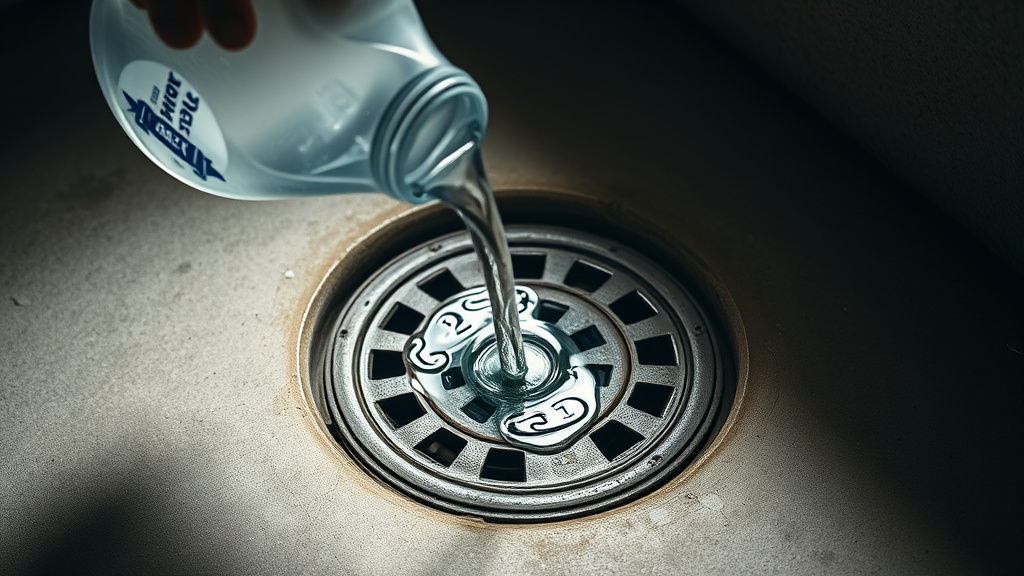
Dried-out plumbing traps are the other common answer, and they have nothing to do with the backup. A basement floor drain or a shower nobody uses loses its water seal to evaporation, and sewer gas then travels up the pipe unobstructed. Pour a couple of quarts of water down every floor drain and run every seldom-used fixture for a minute. If the smell drops noticeably within the hour, that was it.
What actually removes the odor
Removal beats masking every time. Saturated porous material comes out: carpet and pad, affected insulation, particle board, drywall cut back above the line the water reached. Bagging it at the point of removal keeps you from tracking residue through the rest of the house.
Hard surfaces then get two stages. A detergent wash lifts the film, and a disinfectant left visibly wet long enough to do its job handles what the wash left. Enzyme cleaners earn their place on wood and concrete because they break organic residue down rather than covering it — they need real contact time, and concrete usually wants a second application because it is thirstier than it looks.
Then dry the structure, not just the surface. Air movers aimed across the floor and walls, a dehumidifier pulling moisture out of a closed room, and patience. Opening the windows feels productive and, in a Puget Sound November, often adds moisture instead of removing it. Keep the space closed and let the dehumidifier work. Activated carbon helps at the tail end, once the material is gone and the structure is dry, for the faint note that lingers in a corner.
Gear, before any of that
None of this is work to do in shorts and sneakers. Nitrile gloves, rubber boots, eye protection and a fitted respirator with particulate cartridges are the baseline, because the hazard is what you breathe and what gets on your skin, not just the smell. Ventilate while you work, keep children and pets out of the area entirely, and wash up before you touch anything in the clean part of the house. If you are pregnant, immunocompromised or managing a respiratory condition, this is a job to hand to someone else.
When it is the line, not the house
A small backup in an unfinished basement is often a weekend of unpleasant but manageable work. A different category of problem announces itself three ways: the water reached wall cavities or the ceiling of a room below, the area is larger than a corner, or the line backed up again within a few months of being cleared.
That last one matters most. Recurrence points at the sewer lateral rather than the house. Root intrusion at a joint, a bellied section holding water, a cracked clay pipe under one of the older streets east of Broadway — cleaning indoors does nothing about any of them, and the next backup arrives on its own schedule. A camera run down the lateral is what separates a one-time accident from a line that needs repair, and it is worth doing before you commit to interior work you might have to redo. If you are at that point, the team at Everett Drain Cleaning works on sewer lines across the city and can look inside the pipe first.
Once the house is dry and the line checks out, the remaining work is keeping it that way: a backwater valve if the home sits low relative to the main, a note in the calendar to refill the floor drains in late summer, and a short routine for keeping odor from creeping back after everything has been put right.